
הקווים הירוק והסגול: מתי הרכבת הקלה מגיעה לרובע 4The Green and Purple Lines: When the Light Rail Reaches District 4
שני קווי רכבת קלה נבנים משני צדי הרובע, והם לא יגיעו יחד. אבל השינוי הגדול באמת אינו הרכבת, אלא מה שמתוכנן לרחוב שהיא עוברת בו.Two light rail lines are being built on either side of the district, and they will not arrive together. But the real change is not the railway itself, it is what is planned for the street it runs along.
צילום: מקף־עברי · ויקישיתוף · CC BY-SA 4.0Photo: מקף־עברי · ויקישיתוף · CC BY-SA 4.0
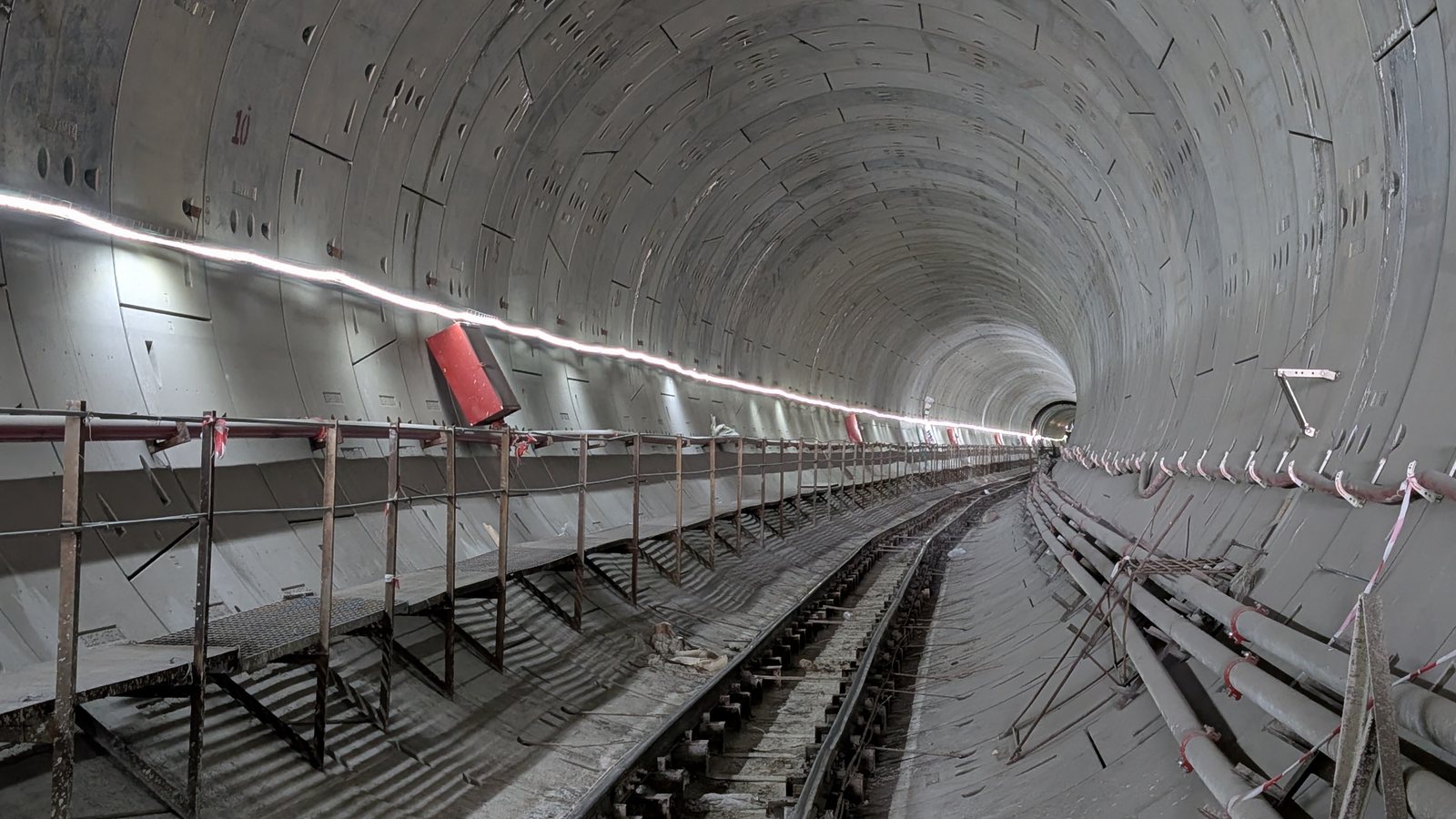
מי שגר ברובע 4 בשנים האחרונות חי בתוך אתר בנייה כפול. מצד מערב נחפרה מנהרה מתחת לאבן גבירול. בתוך הרובע עצמו, על ארלוזורוב, הונחו מסילות במפלס הרחוב. שני הפרויקטים רצו במקביל, גרמו לאותם פקקים ולאותו אבק, ורוב האנשים התייחסו אליהם כאל מטרד אחד גדול.
אבל הם לא יסתיימו יחד, והפער ביניהם הוא שנתיים. ומעבר ללוחות הזמנים יש כאן סיפור שני, שכמעט לא מדברים עליו: הרחוב שהרכבת עוברת בו עומד לעבור שינוי עמוק הרבה יותר מהוספת מסילה.
למה הקו הסגול מקדים
לפי עדכון שהציגה עיריית תל אביב־יפו ביולי 2026, עבודות הקו הסגול אמורות להסתיים בתוך פחות משנה. במהלך 2027 יתחילו נסיעות בחינה ללא נוסעים, וההפעלה המסחרית מתוכננת ל־2028. ברחוב ארלוזורוב אפשר כבר לראות את המסילות מונחות.
ההקדמה אינה מקרית. הקו הסגול הוא היחיד מבין השלושה שכל תחנותיו במפלס הרחוב. אין בו מנהרות ואין תחנות תת קרקעיות, ולכן הוא חשוף פחות לסוג העיכובים שליווה את הקו הירוק לאורך העשור האחרון. הוא גם עובר בתוך הרובע ולא בשוליו.
מבחינת יעדים, הקו הסגול יחבר את הרובע למזרח המטרופולין: רמת גן, גבעתיים, קריית אונו, ובהמשך גם למרכז הרפואי שיבא ולאוניברסיטת בר אילן.
הקו הירוק גדול יותר, ומאוחר יותר
הקו הירוק יהיה הארוך בישראל: 39 קילומטר ו־62 תחנות, מראשון לציון וחולון בדרום ועד הרצליה בצפון. בתל אביב הוא רץ במנהרה כפולה באורך כ־4.5 קילומטר מתחת לאבן גבירול, קרליבך ודרך בגין. בהפעלה מלאה הוא אמור להסיע כ־275 אלף נוסעים ביום, ברכבת כל ארבע דקות.
עבור תושבי הרובע הוא פותח כיוון אחר לגמרי: צפונה לרמת אביב ולאוניברסיטת תל אביב ועד הרצליה, ודרומה לכיוון חולון וראשון לציון.
הפתיחה שלו מדורגת. המקטע הדרומי, מראשון לציון ועד תחנת לוינסקי, יחל לפעול בדצמבר 2028. התחנות שברובע ייפתחו רק עם הקו המלא, ביולי 2030.
מתי כל קו נפתח
התחנה שכדאי לזכור
ברשת כולה מתוכננות חמש נקודות מעבר בלבד בין קווים. אחת מהן נופלת בדיוק על הגבול המערבי של הרובע.
התחנות הנוספות הרלוונטיות לרובע הן יהודה המכבי וכיכר רבין על הקו הירוק, ואיכילוב ומסוף ארלוזורוב על הסגול.
ומה עם הרחוב עצמו
במקביל לעבודות הרכבת אושרה תוכנית נפרדת להתחדשות רחוב ארלוזורוב, שכוללת הרחבת מדרכות, שבילי אופניים וייעוד קומות העמודים למסחר. היא משנה את אופי הרחוב הרבה מעבר להוספת מסילה, והרחבנו עליה בכתבה נפרדת.
המחיר, ומה שעדיין לא ידוע
לצד היתרונות יש גם עלות. הקמת שלושת קווי הרכבת הקלה כרוכה בכריתה של כ־7,200 עצים ברחבי המטרופולין.
שווה גם לשמור פרופורציות בלוחות הזמנים. הקו הירוק תוכנן במקור להיפתח ב־2026 או 2027, כלומר העיכוב המצטבר עומד כיום על כשלוש שנים. גם הקו הסגול נדחה בשנה. התאריכים האלה כבר זזו פעם אחת.
ומה עם המטרו
שאלה שחוזרת הרבה. המטרו הוא פרויקט נפרד ומאוחר בהרבה, עם אופק של תחילת שנות השלושים ומעלה. מי שמתכנן היום רכישה לפי נגישות תחבורתית צריך להסתמך על הרכבת הקלה, לא על המטרו.
Anyone who has lived in District 4 in recent years has been living inside a double construction site. To the west, a tunnel was dug beneath Ibn Gvirol. Inside the district itself, along Arlozorov, tracks were laid at street level. The two projects ran in parallel, caused the same traffic jams and the same dust, and most people treated them as one large nuisance.
But they will not finish together, and the gap between them is two years. Beyond the timelines there is a second story here that almost no one talks about: the street the railway runs along is about to undergo a change far deeper than the addition of a track.
Why the Purple Line comes first
According to an update presented by the Tel Aviv-Yafo Municipality in July 2026, work on the Purple Line is due to finish in less than a year. Test runs without passengers will begin during 2027, and commercial service is planned for 2028. On Arlozorov the tracks can already be seen in place.
The head start is not a coincidence. The Purple Line is the only one of the three whose stations are all at street level. It has no tunnels and no underground stations, so it is less exposed to the kind of delays that dogged the Green Line throughout the past decade. It also runs through the district rather than along its edge.
In terms of destinations, the Purple Line will connect the district to the eastern metropolitan area: Ramat Gan, Givatayim, Kiryat Ono, and later also the Sheba Medical Center and Bar-Ilan University.
The Green Line is bigger, and later
The Green Line will be the longest in Israel: 39 kilometers and 62 stations, from Rishon LeZion and Holon in the south to Herzliya in the north. In Tel Aviv it runs through a twin tunnel about 4.5 kilometers long beneath Ibn Gvirol, Carlebach and Begin Road. At full operation it is meant to carry roughly 275,000 passengers a day, with a train every four minutes.
For residents of the district it opens an entirely different direction: north to Ramat Aviv and Tel Aviv University and on to Herzliya, and south toward Holon and Rishon LeZion.
Its opening is staged. The southern segment, from Rishon LeZion to Levinsky station, will begin operating in December 2028. The stations within the district will open only with the full line, in July 2030.
When each line opens
The station worth remembering
Across the entire network only five interchange points between lines are planned. One of them falls exactly on the western edge of the district.
The other stations relevant to the district are Yehuda HaMaccabi and Rabin Square on the Green Line, and Ichilov and the Arlozorov Terminal on the Purple Line.
And what about the street itself
Alongside the railway work, a separate plan to renew Arlozorov Street has been approved, including wider sidewalks, bike lanes and the conversion of the open ground floors to commercial use. It changes the character of the street far beyond adding a track, and we covered it in a separate article.
The cost, and what is still unknown
Alongside the benefits there is also a cost. Building the three light rail lines involves felling roughly 7,200 trees across the metropolitan area.
It is also worth keeping the timelines in proportion. The Green Line was originally planned to open in 2026 or 2027, meaning the accumulated delay now stands at about three years. The Purple Line was also pushed back by a year. These dates have already moved once.
And what about the metro
A question that comes up often. The metro is a separate and far later project, with a horizon of the early 2030s and beyond. Anyone planning a purchase today based on transit access should rely on the light rail, not on the metro.
הנתונים נכונים למועד הפרסום. Information is current as of publication.