
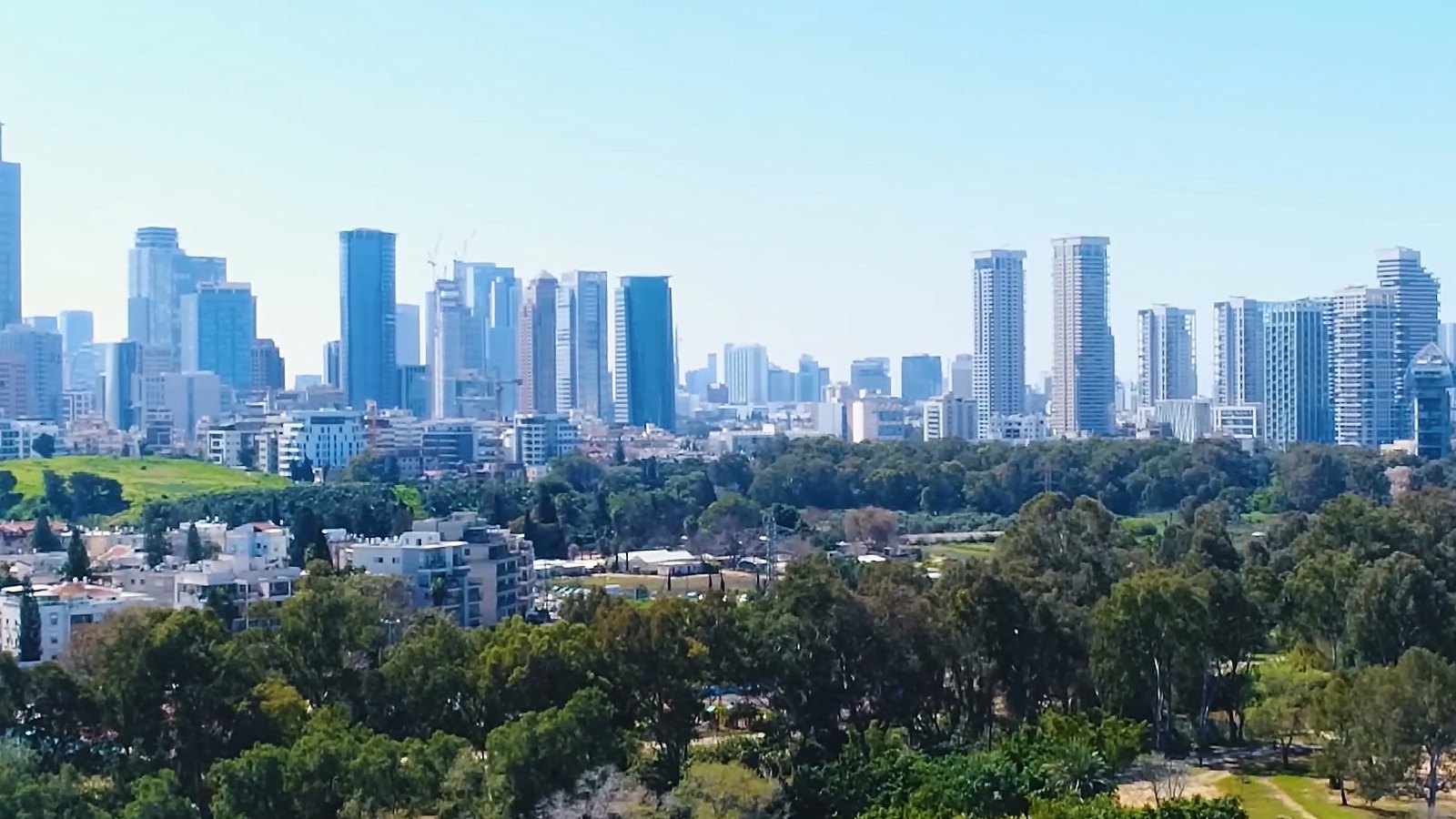
תכנית רובע 4 — מה מתוכנן בצפון הישן של תל אביב
צילום: RaphaelQS · CC BY-SA 4.0
{{ t.phEyebrow }}

{{ t.phH1 }}

{{ t.phP }}

2018 {{ t.fact1 }}
7-9 {{ t.fact2 }}
100+ {{ t.fact3 }}

הרקע: עיר שרצתה להתחדש בלי לאבד את עצמה

במשך שנים ההתחדשות העירונית במרכז תל אביב הייתה תקועה בין שתי גישות: מצד אחד תמ"א 38 הארצית, שאפשרה תוספות בנייה נקודתיות בלי ראייה כוללת; ומצד שני חשש עירוני שהרחובות ההיסטוריים יאבדו את אופיים. הפתרון של עיריית תל אביב היה תוכניות רובע ייעודיות - תוכנית מפורטת לכל רובע, שמחליפה את הכללים הארציים בכללים מקומיים וברורים.

תוכניות הרובעים לרובע 3 ולרובע 4 אושרו ב-2018, והן שקבעו לראשונה מסגרת ודאית: אילו מגרשים ניתן לחדש בהריסה ובנייה, כמה קומות מותר, אילו קווי בניין, ומה נדרש להשאיר מאופי הרחוב. הוודאות הזו היא שהניעה את גל הפרויקטים, כי יזם שיודע מה מותר - יכול לתכנן, להחתים דיירים ולצאת לדרך.

מה התוכנית קובעת בפועל - עיקרי הדברים

  • הריסה ובנייה מחדש היא המסלול המרכזי: במקום חיזוק בניין ישן, הורסים ובונים בניין חדש ובטוח, בדרך כלל בן 7-9 קומות, עם ממ"דים, מעלית וחניה.
  • שמירה על אופי הרחוב: קווי בניין, נסיגות בקומות העליונות וגובה מדורג - כדי שהרחוב יישאר רחוב תל אביבי ולא קניון של מגדלים.
  • זכויות ברורות לדיירים וליזמים: התוכנית מגדירה מראש את היקף הבנייה, מה שמקצר את הליכי הרישוי לעומת העבר.
  • חריגים ומתחמים: סביב צירים ראשיים ומתחמים מיוחדים (כמו סביבת כיכר המדינה) חלות תוכניות נקודתיות עם היקפים אחרים.

חשוב לומר: זהו תיאור כללי להתמצאות. לכל מגרש יש נתונים משלו, ואת המצב התכנוני המדויק של בניין ספציפי בודקים במידע התכנוני של עיריית תל אביב או מול אנשי מקצוע.

מה זה אומר לרוכשים ולתושבים

לרוכשים - היצע חדש של דירות בבנייני בוטיק בלב העיר, במקומות שבהם עשרות שנים לא נבנתה דירה חדשה. המדריך המלא לקניית דירה ברובע מפרט איך ניגשים לזה נכון.

לבעלי דירות בבניינים ישנים - הזדמנות לקבל דירה חדשה, גדולה וממוגנת תמורת הדירה הישנה, אבל גם החלטה גדולה: בחירת יזם, הסכם, שנות בנייה.

לשכונה כולה - תהליך ארוך של שינוי: מנופים ורעש בדרך, אבל גם רחובות מתחדשים, תשתיות חדשות ורכבת קלה שמתקרבת.

Background: a city that wanted to renew without losing itself

For years, urban renewal in central Tel Aviv was caught between two approaches. On one side stood the national Tama 38 program, which allowed piecemeal additions to individual buildings with no overall vision. On the other side was a municipal worry that the historic streets would lose their character. Tel Aviv's answer was a set of dedicated quarter plans: a detailed plan for each quarter that replaces the national rules with clear local ones.

The quarter plans for Quarter 3 and Quarter 4 were approved in 2018, and for the first time they set a firm framework: which plots can be renewed through demolition and rebuilding, how many floors are allowed, which building lines apply, and what has to be kept of the street's character. That certainty is what set off the wave of projects, because a developer who knows what is permitted can plan, sign residents and get moving.

What the plan actually sets out: the essentials

  • Demolition and rebuilding is the main track. Instead of reinforcing an old building, the old structure comes down and a new, safe one goes up in its place, usually 7 to 9 floors, with protected rooms, an elevator and parking.
  • Keeping the street's character: building lines, setbacks on the upper floors and stepped heights, so the street stays a Tel Aviv street and not a canyon of towers.
  • Clear rights for residents and developers: the plan defines the scope of building in advance, which shortens the permitting process compared with the past.
  • Exceptions and compounds: around main axes and special compounds (such as the Kikar HaMedina area), separate local plans apply with a different scope.

One note worth making: this is a general overview meant for orientation. Every plot has its own details, and the exact planning status of a specific building should be checked through Tel Aviv Municipality's planning information or with a professional.

What it means for buyers and residents

For buyers: a fresh supply of apartments in boutique buildings in the heart of the city, in places where no new home had been built for decades. The full guide to buying an apartment in the Quarter explains how to approach it properly.

For owners in older buildings: a chance to receive a new, larger, protected apartment in exchange for the old one, but also a big decision: choosing a developer, the agreement, and years of construction.

For the neighborhood as a whole: a long process of change, with cranes and noise along the way, but also renewed streets, new infrastructure and a light rail drawing closer.

{{ t.faqH }}

האם כל בניין ישן ברובע אפשר להרוס ולבנות מחדש?
לא. הזכאות תלויה במאפייני המגרש, במצב התכנוני ולעיתים בערכי שימור. את המצב של בניין ספציפי בודקים במידע התכנוני העירוני או באמצעות אנשי מקצוע.
כמה זמן לוקח פרויקט הריסה ובנייה ברובע?
מהחתמת הדיירים ועד מסירה - בדרך כלל שנים ספורות: שלב הרישוי משתנה מפרויקט לפרויקט, והבנייה עצמה נמשכת בדרך כלל 2.5-3.5 שנים לבניין בוטיק.
מה ההבדל בין תוכנית הרובעים לתמ"א 38?
תמ"א 38 היא תוכנית ארצית; תוכנית הרובעים היא תוכנית מקומית מפורטת שהחליפה אותה בתל אביב וקבעה כללים ברורים יותר לכל רובע.
איפה רואים אילו פרויקטים כבר מקודמים?
בדיוק בשביל זה קיים האתר: רשימת כל הפרויקטים ומפת הפרויקטים מתעדכנות באופן שוטף.
Can every old building in the Quarter be demolished and rebuilt?
No. Eligibility depends on the plot's characteristics, its planning status and sometimes on preservation values. The status of a specific building should be checked through the municipal planning information or with a professional.
How long does a demolish and rebuild project in the Quarter take?
From signing the residents to handover it usually takes a few years. The permitting stage varies from project to project, and construction itself typically runs 2.5 to 3.5 years for a boutique building.
What is the difference between the quarter plan and Tama 38?
Tama 38 is a national program. The quarter plan is a detailed local plan that replaced it in Tel Aviv and set clearer rules for each quarter.
Where can I see which projects are already underway?
That is exactly what this site is for: the full project list and the project map are updated on an ongoing basis.

{{ t.ctaH }}

{{ t.ctaP }}

{{ t.ctaBtn }}
{{ t.cookieText }}{{ t.cookieLink }}{{ t.cookieTextAfter }}